
| |

Style Sheets

Spring is here! Thank you for your patience while I play with this new colour feature in WordPress.

What Is a Style Sheet?

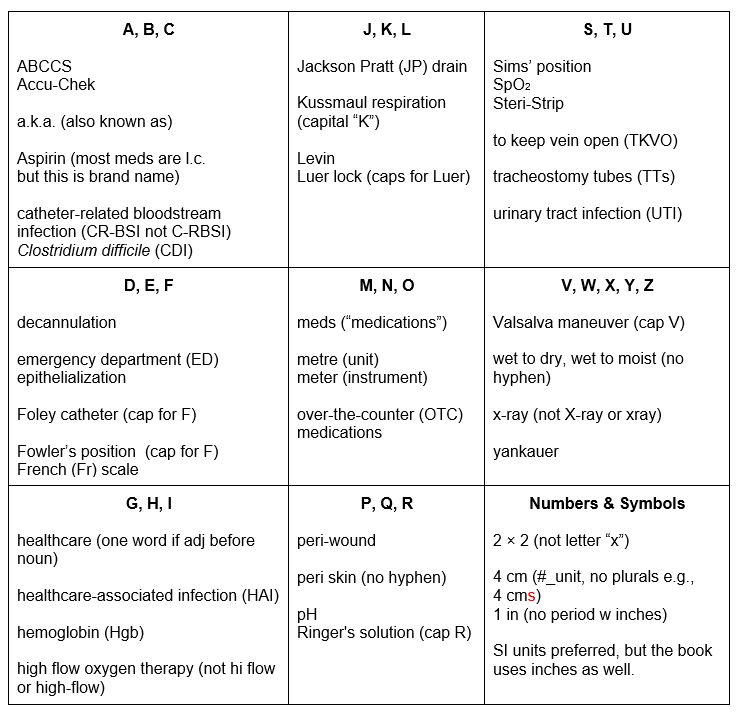
The most basic tool for editing, and one of the most practical, is a style sheet. Most of the time the editor creates this and shares it with others. A style sheet is a table or document used to track our decisions, so it is an essential tool for consistency in spelling and style.

More Work?

Normally editors track the decisions that are not covered by the house style or ones that conflict with the house style, perhaps due to a specific discipline’s style conventions or a writer’s preferences.

It is good to be thorough, but not so thorough that the style sheet becomes it’s own editing project.

But Why?

In addition to clarifying the spelling of tricky words, the style sheet reminds us of the types of changes we made in earlier parts of the document.

  • Did the writer use italics or bold for key terms?
  • Which heading level did we use in the table in Module 1?
  • Which terms did we capitalize?

All these choices are recorded in one place, so we don’t have to look them up each time. It makes editing easier since we don’t have to remember everything to be consistent throughout the document. It is also helpful as a reporting tool, since writers or course developers can quickly review the changes we’ve made without scanning through the entire document.

Format your document in whatever style works for you. I usually make it an online document (e.g., Google Docs) to share it with others, but many editors build a style sheet on paper or in a Word doc.

Example
 

Similar Posts

  • Student Outcomes

    Our editing goal is to make learner-centred courses that meet the needs of our students. But how can we know if we have achieved this, since we seldom have the chance to meet Open Learning students face-to-face? One valuable resource is to check student feedback from post-course surveys in Tableau. This can indicate which specific…

  • Whose Land Is It Anyway? A Manual for Decolonization

    TRUFA hosted a book launch for Whose Land Is It Anyway? A Manual for Decolonization on the Kamloops campus yesterday. If you missed it, like I did, the book is available online (epub, pdf): Whose Land Is It Anyway? A Manual for Decolonization (links to Federation of Post-Secondary Educators). Looks like a great book with writers…

  • Editors Meeting Notes for Oct. 23, 2019

    Attendees (in alphabetical order): Chris, Cory, Courtney, Dani, Justin, and Mona Time: 11:00 am                 Location: OL344 Notetaker: Justin             Timekeeper: Collective effort Notes Pop survey on our website: What’s working on the website? – working well as a reference tool for editors, layout, content What would you like to see on the website? – more contribution…

  • Self-Care for Editors

    Self-care is a concept taught in our CYMH courses, which can be beneficial for editors as well. Self-care refers to activities we choose to do to improve our mood, enhance our physical and mental health, and avoid burn-out. Regularly doing self-care reduces stress, and promotes mindfulness and work/life balance. So what, exactly, does self-care mean…

  • |

    PhD(c)

    Kudos to Mona Hall for researching and validating our house style! Ongoing PhD studies are not listed on the Copyright and Credits page of the course guide; therefore, do not include credentials such as: Title (year): Name, PhD(c) Title (year): Name, PhD(candidate) Title (year): Name, PhD(ABD) Title (year): Name, PhD(all but dissertation) See also APA’s  The Misuse…