Editors Are Moving to a New Office
The Course Editors are moving to OL440 (the 4th floor of the BCCOL Building) at Thompson Rivers University. Our move should be completed by December 15, 2016.
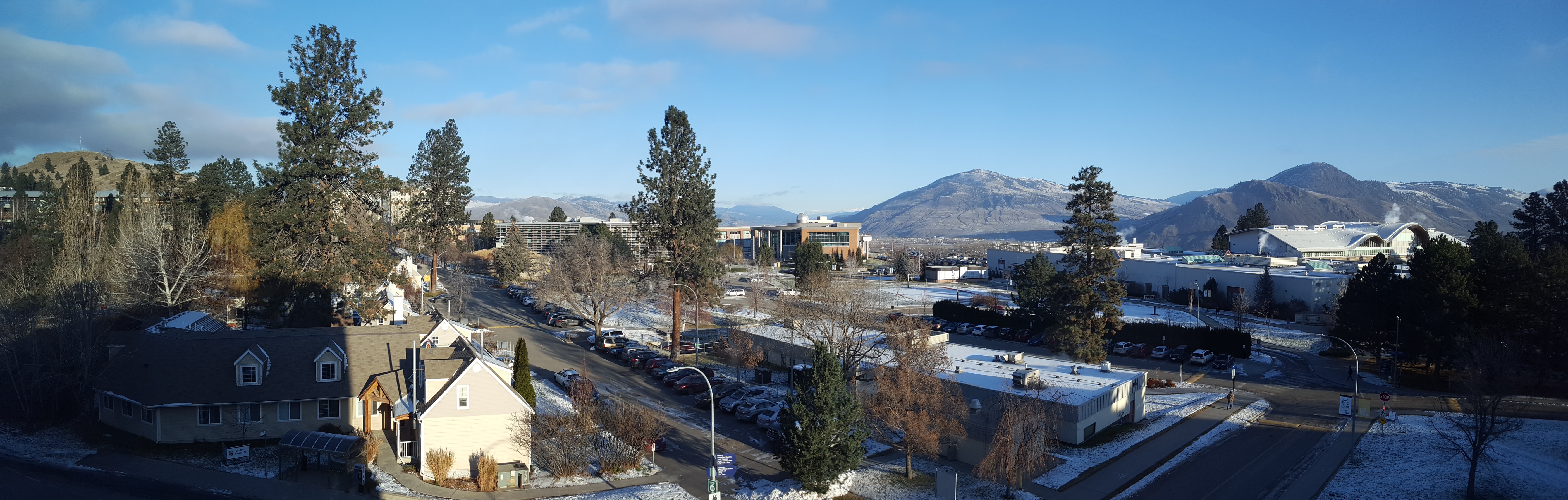

The Course Editors are moving to OL440 (the 4th floor of the BCCOL Building) at Thompson Rivers University. Our move should be completed by December 15, 2016.
The OLProductionExams email address is no longer active. Please send edited exam files to the Learning Environment Development team (i.e., Production) like this:
Where possible, we try to include examples of people from other cultures or depictions of the diversity of Canadian society in the course. Showing people from diverse backgrounds prepares students for life in a culturally diverse society and helps dispel preconceived ideas about others, which we hope increases the students’ competence for living in an…
The editing team participated in an Editors Canada webinar in January 2017: “Creating and Maintaining In-House Style Guides” presented by Elizabeth Macfie. It was a great webinar, and I’m sure we will discuss her ideas often in 2017 as we improve and revise our OL style guide. Elizabeth covered her process for building and maintaining a style guide, and she offered…
Here’s an open, online resource that could be a useful guide for editors (or writers, or students) to verify or to explain Canadian regionalisms or idioms. Dollinger, S. (Chief Editor), & Fee, M. (Associate Editor). (2017). DCHP-2: The dictionary of Canadianisms on historical principles (2nd ed., with the assistance of B. Ford, A. Gaylie, & G. Lim)….
Self-care is a concept taught in our CYMH courses, which can be beneficial for editors as well. Self-care refers to activities we choose to do to improve our mood, enhance our physical and mental health, and avoid burn-out. Regularly doing self-care reduces stress, and promotes mindfulness and work/life balance. So what, exactly, does self-care mean…
Editing Team Meeting Date | time 9/25/2019 11:00 AM| Location OL344 Meeting Notes: Attendees: Dani, Mona, Justin, Cory Regrets: Chris; Courtney Note taker: Mona Editor’s website: Log-in; Review current content; Collaborate; Determine common objectives. Free online micro-course to master the basics of OER and Creative Commons: Open Education, Copyright and Open Licensing in a Digital…